
Material, Material World (Miami)



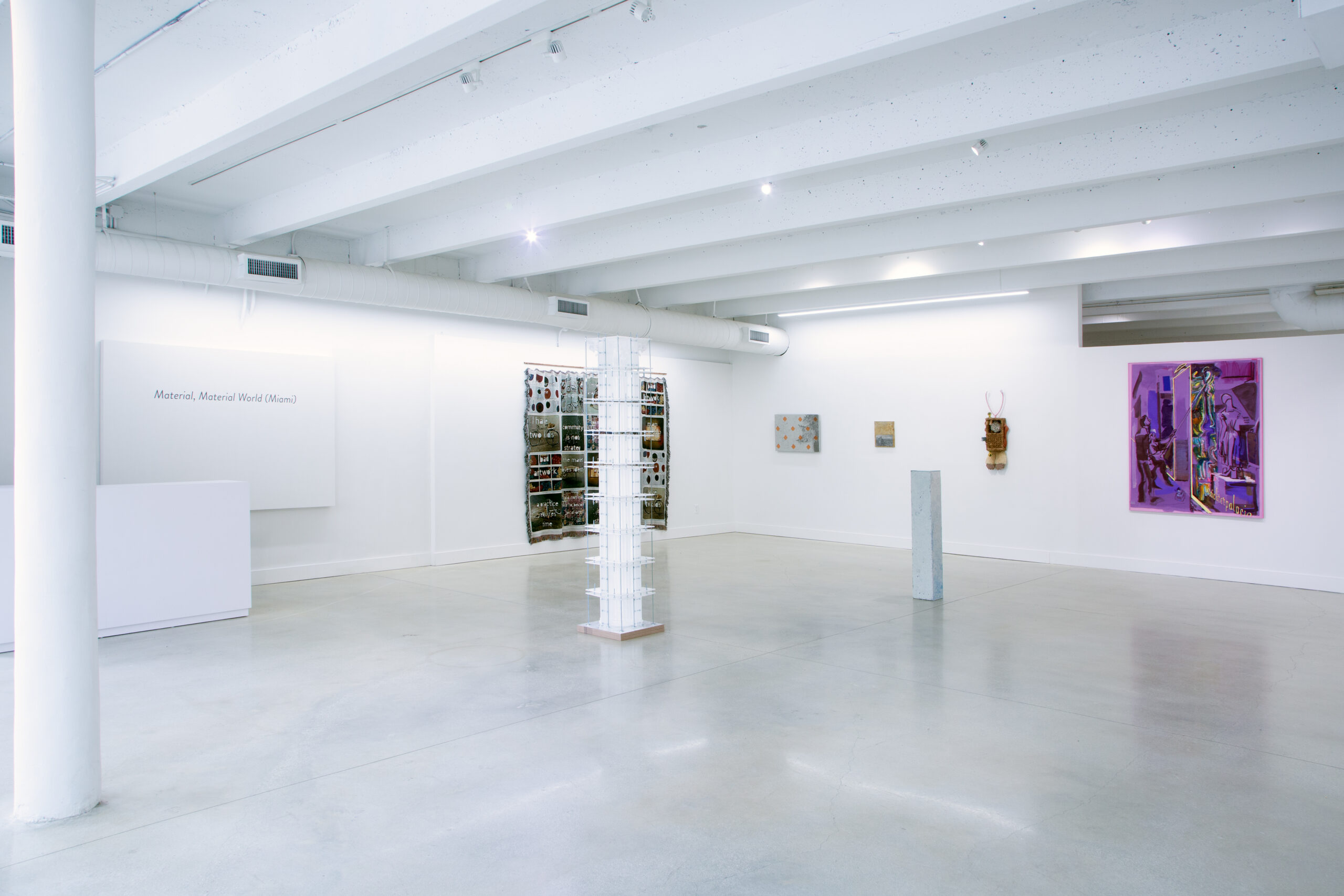


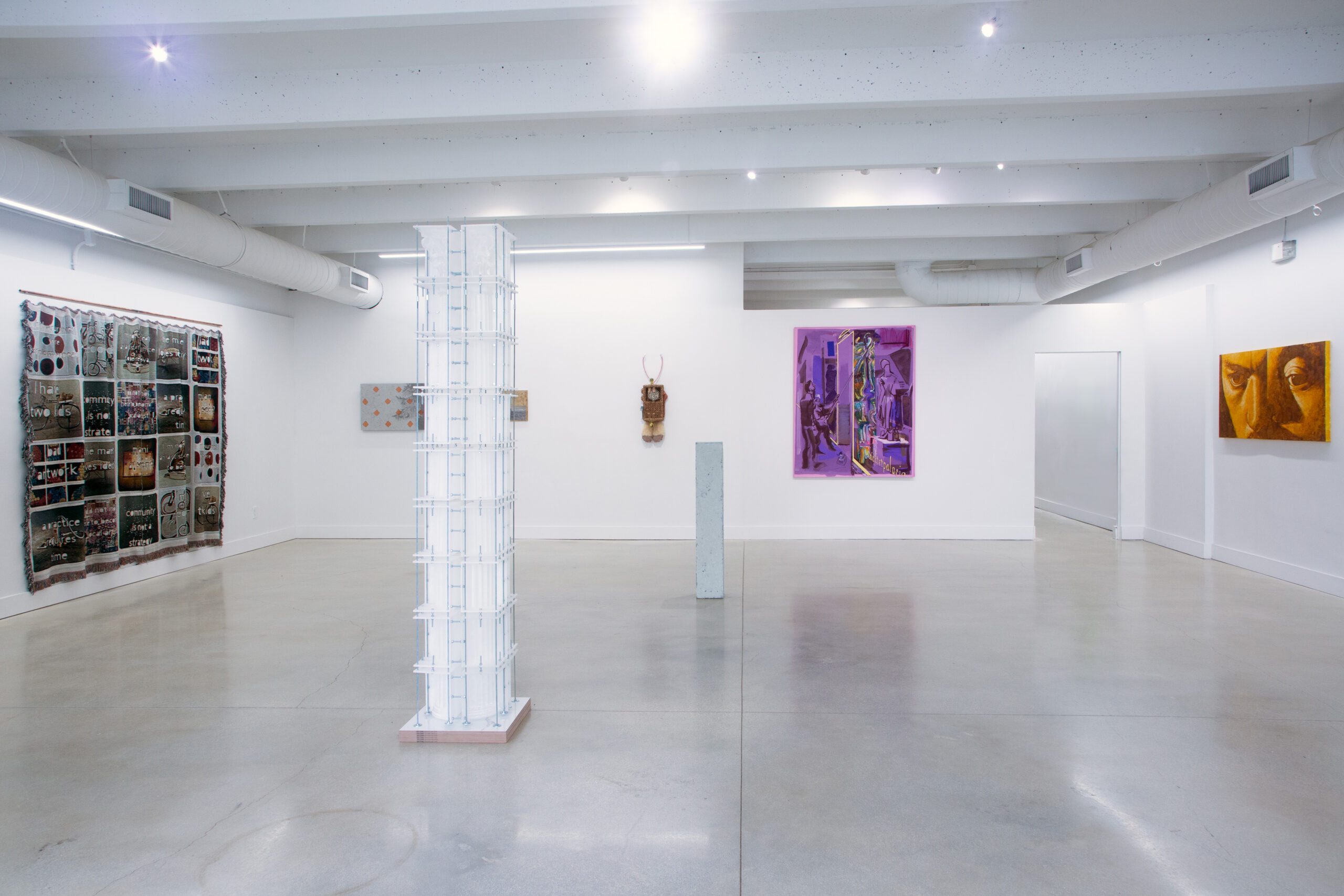
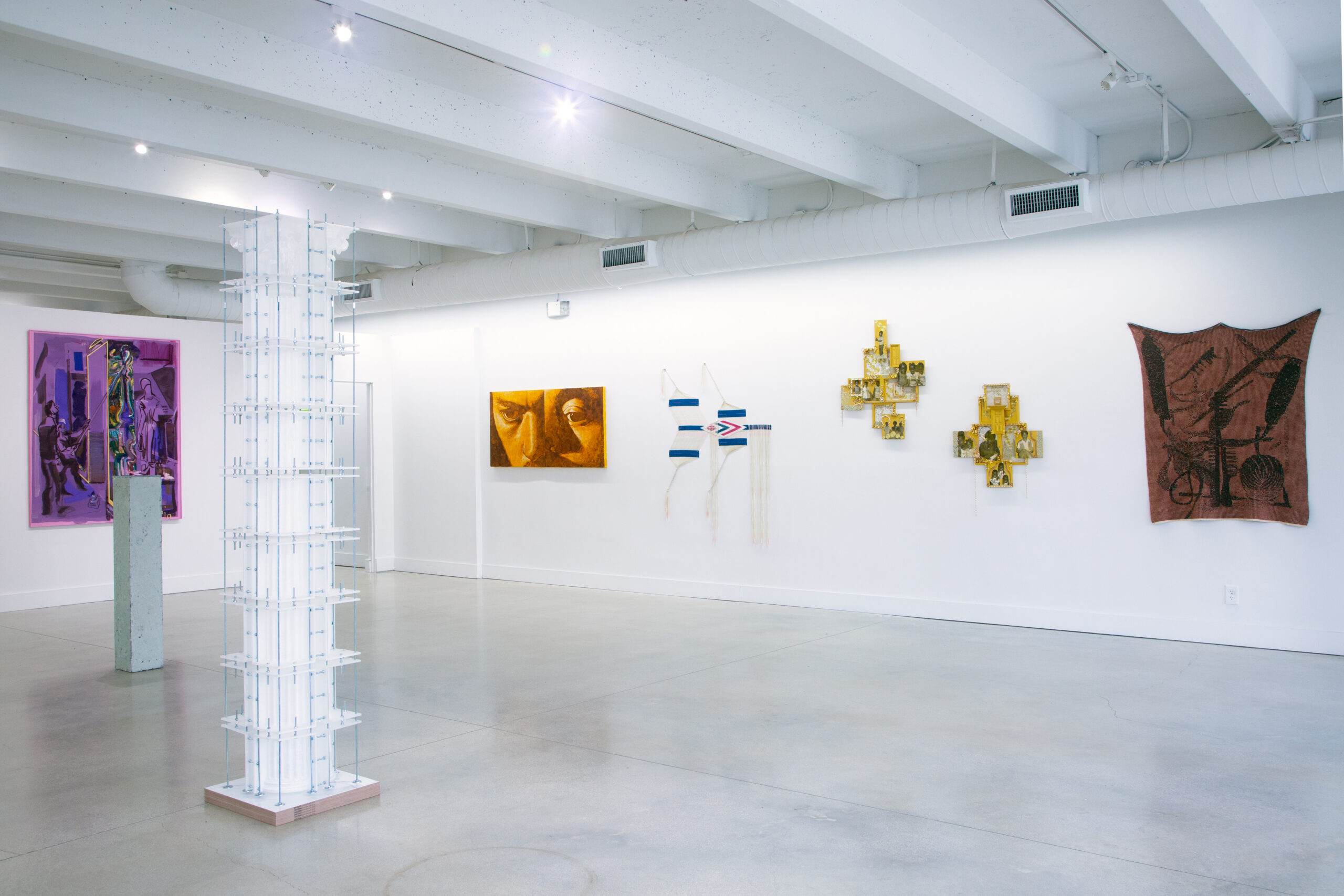
David Castillo presents Material, Material World (Miami), a group exhibition featuring works by Miami-based artists exploring and pushing the limits of materiality: Jevon Alexander Brown, Connor Dolan, Juan Pablo Garza, Gonzalo Hernandez, Loni Johnson, Amanda Linares, Victoria Ravelo, Ryan Sluggett, Kelly Tapia-Chuning, and Hayden Weaver.
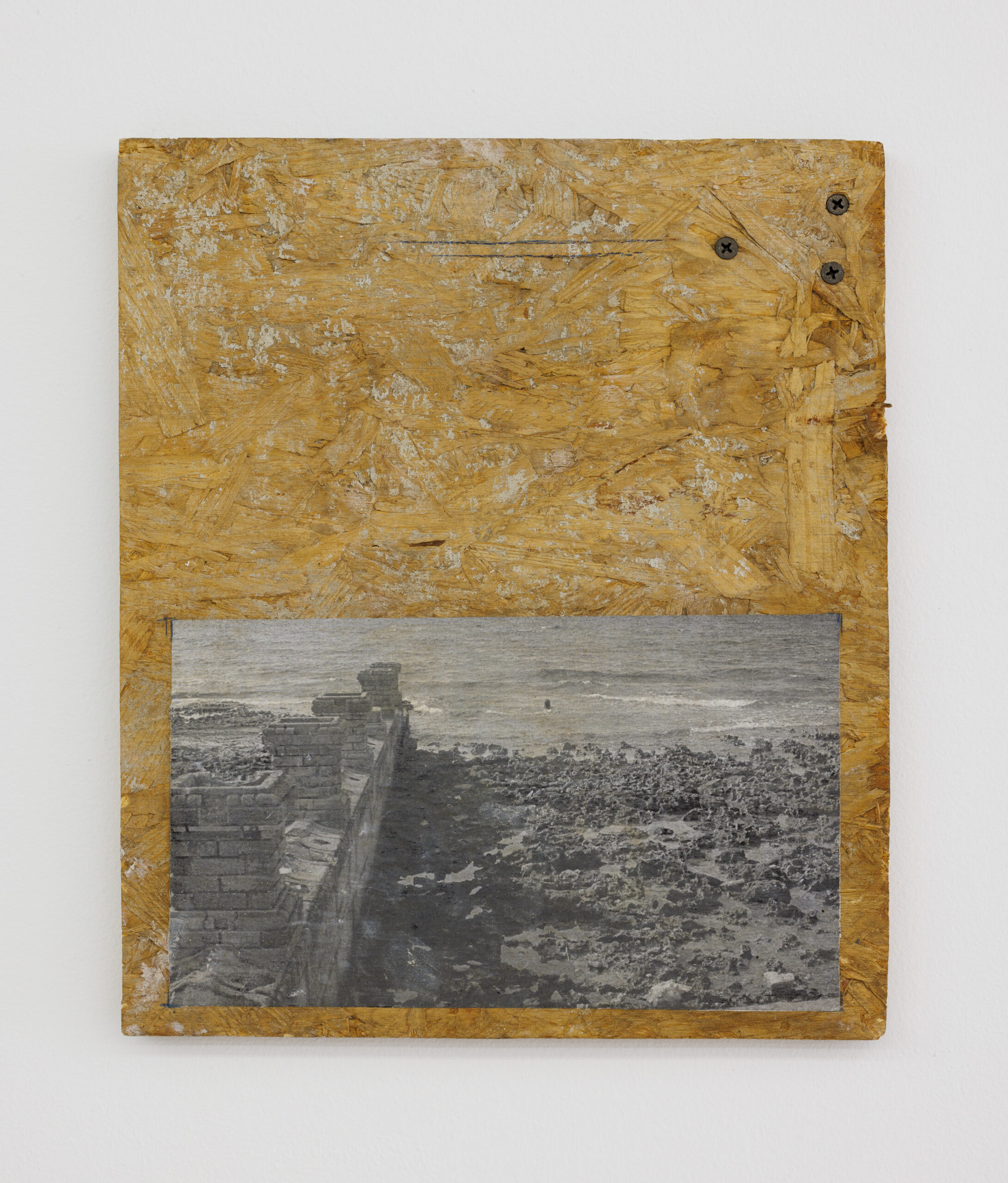
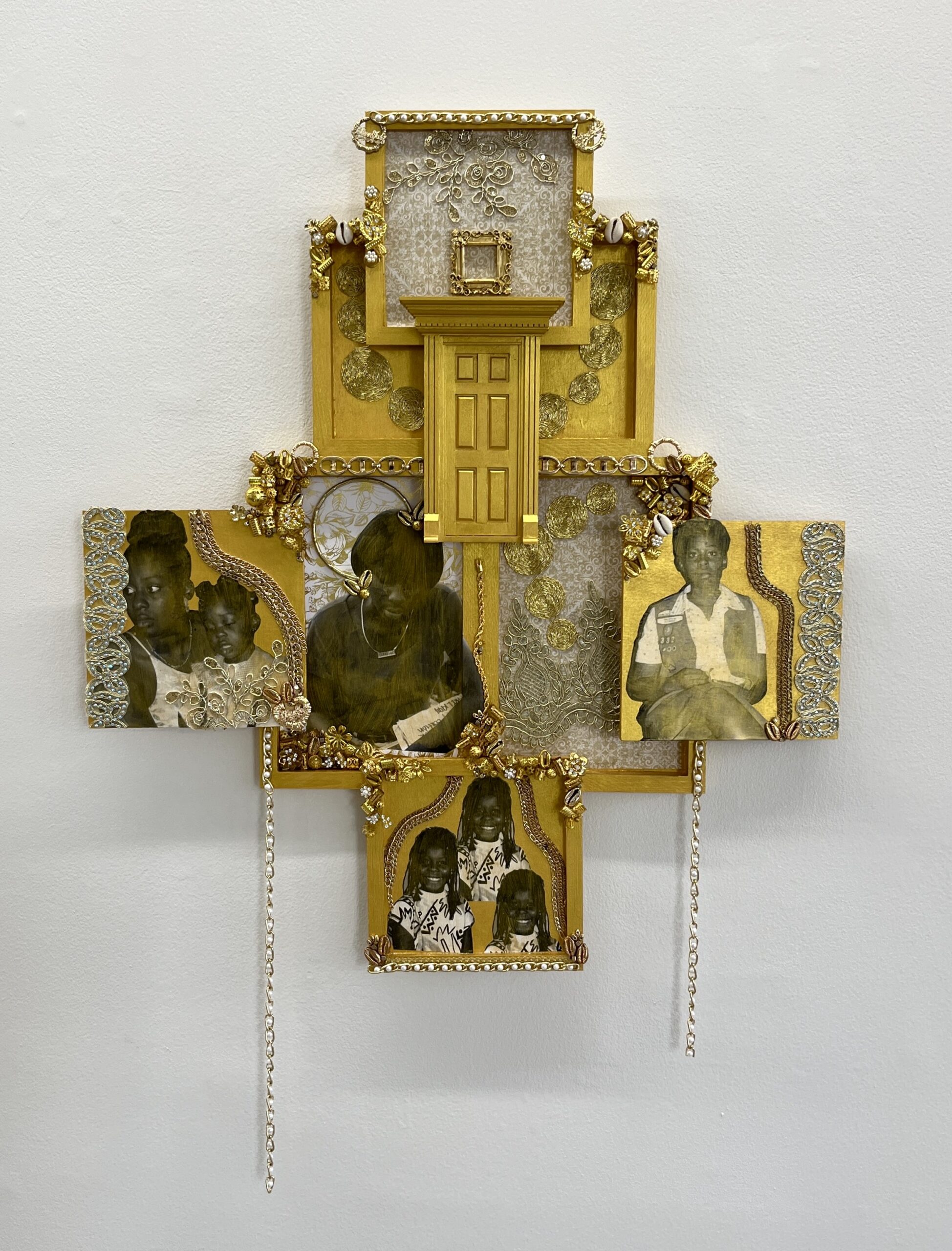
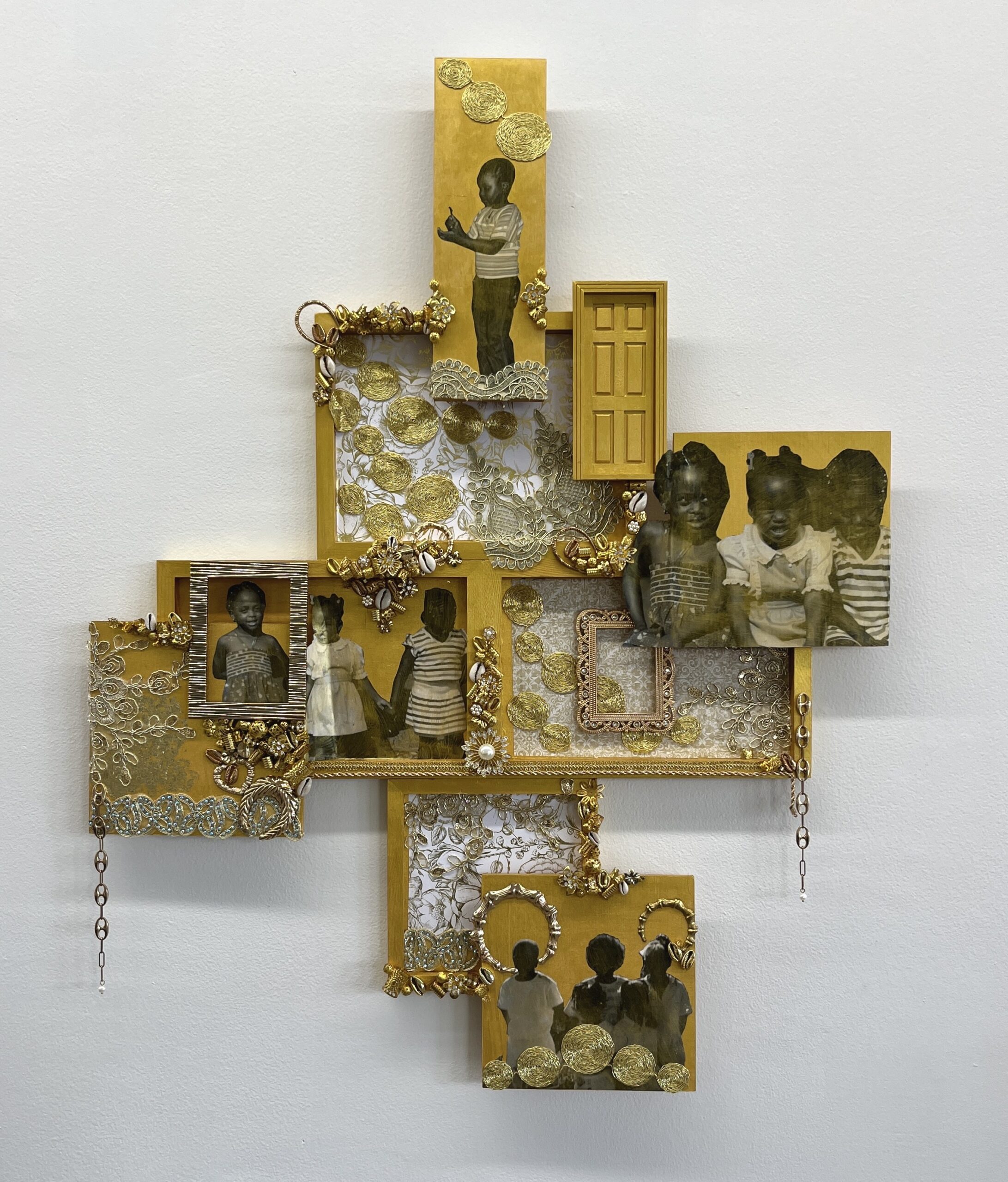
The ten artists in Material, Material World (Miami) have a shared focus on process—their materials dictate the work, sometimes subsequently revealing its meaning. The experience is often spiritual. In Ravelo’s piece “Poceta de Memoria”, which translates to “well of memory,” photographs from her first visit to Cuba are wheat-pasted onto tile and wood found in Philadelphia, manifesting a history she’d once only known from her relatives’ stories. A Cuban-American artist, Ravelo describes herself as having been born in a liminal space, examining the inherited nostalgia experienced by children of the diaspora. The tools she works with are inheritors of memories and legacies—indigo, wood, sugar, photos. Johnson defers to her ancestors, too. Her altar installations, typically halo-gold and adorned with jewelry, contain family photographs; before they’re even complete, building them is an act of reverence. The works feature images of Johnson’s relatives, cowrie shells—a Yoruban symbol of protection, ancestry, and the sea—and a small door, perhaps a portal.
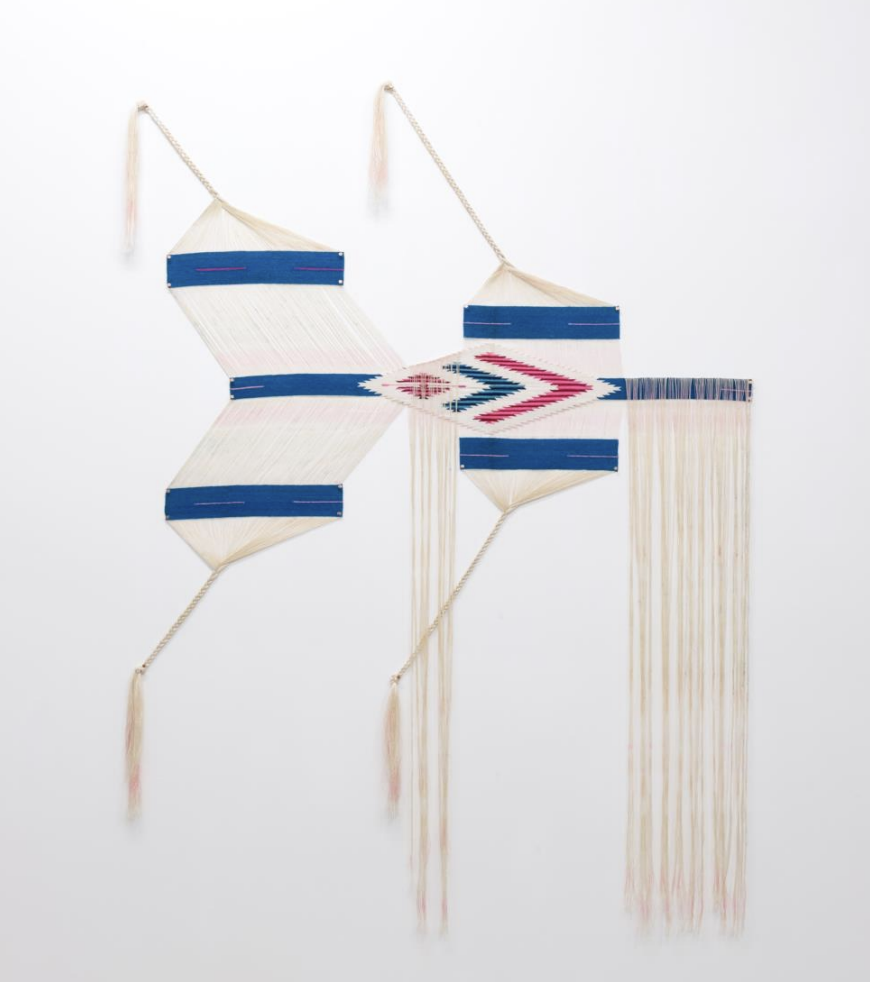
In an interview (*1), Tapia-Chuning characterized the chief motif of her practice—the dismantling and deconstruction of Mexican serapes—as a ritual, one that places her in a direct dialogue with her ancestors and that reveals the complex histories (of colonization, of knowledge, of reclamation) contained within the fabrics. The serape in “Piercing through the Sky / Echoes through the Wind”, arrow-shaped and tinged with blue, seems to soar through clouds to other realms.
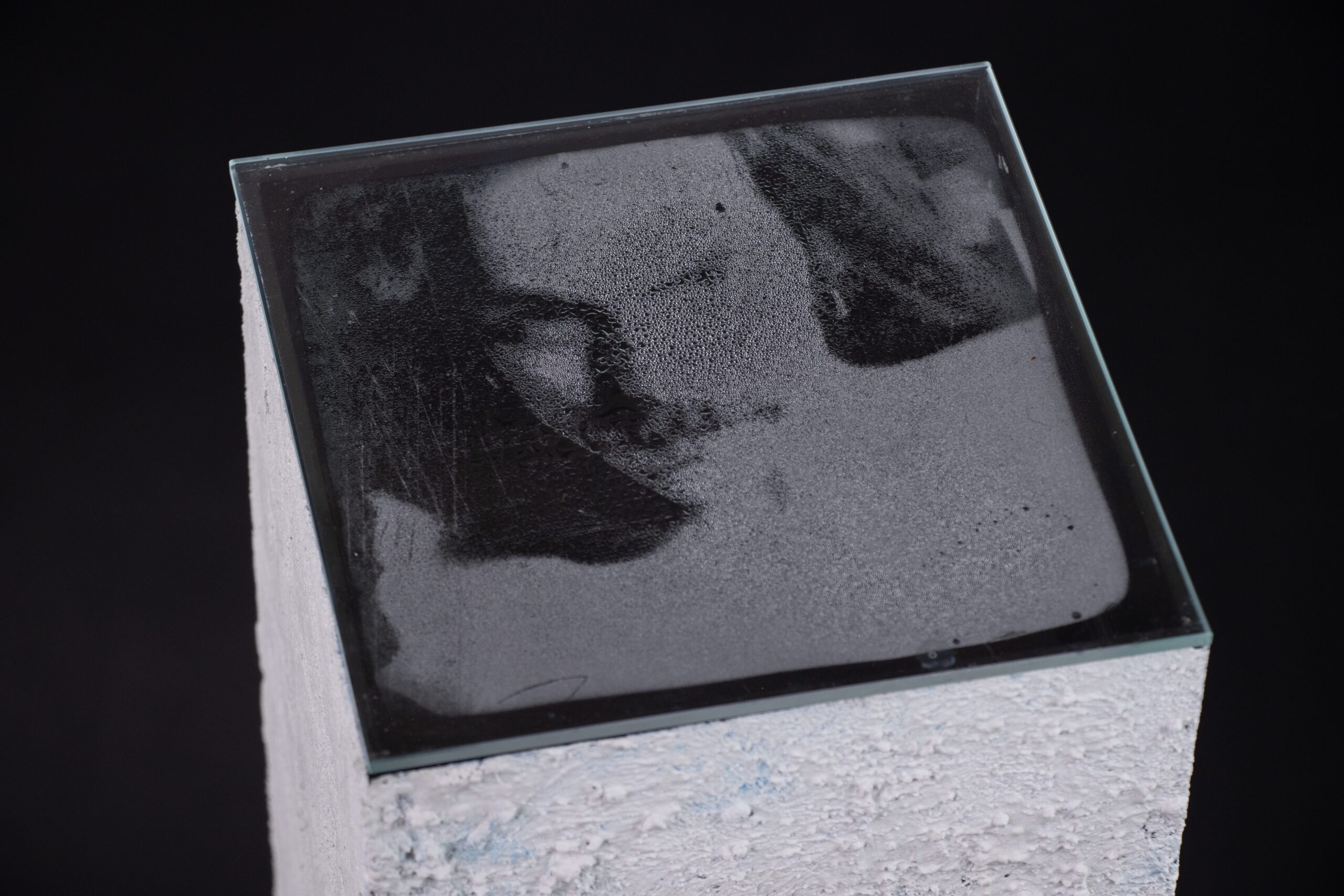
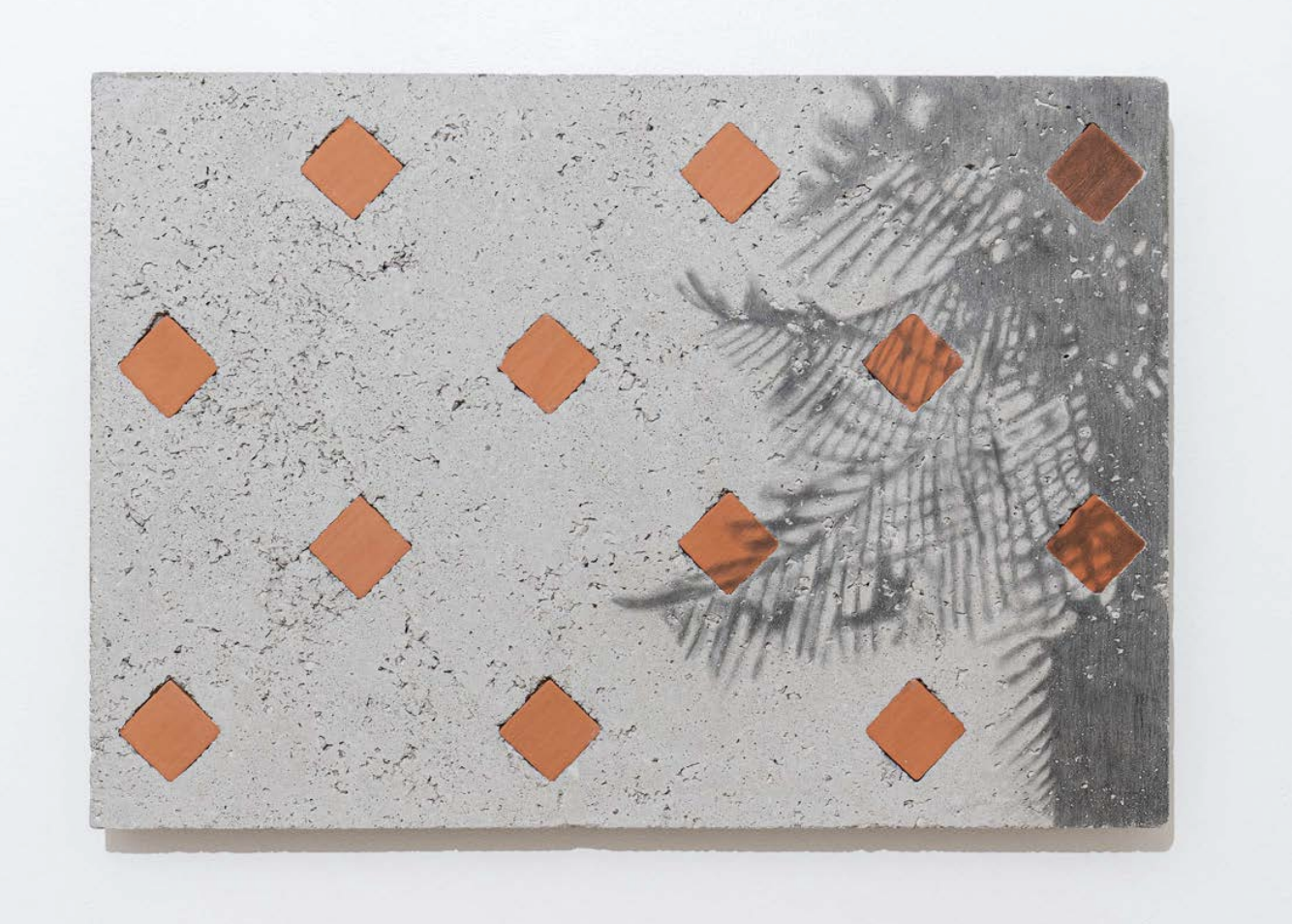
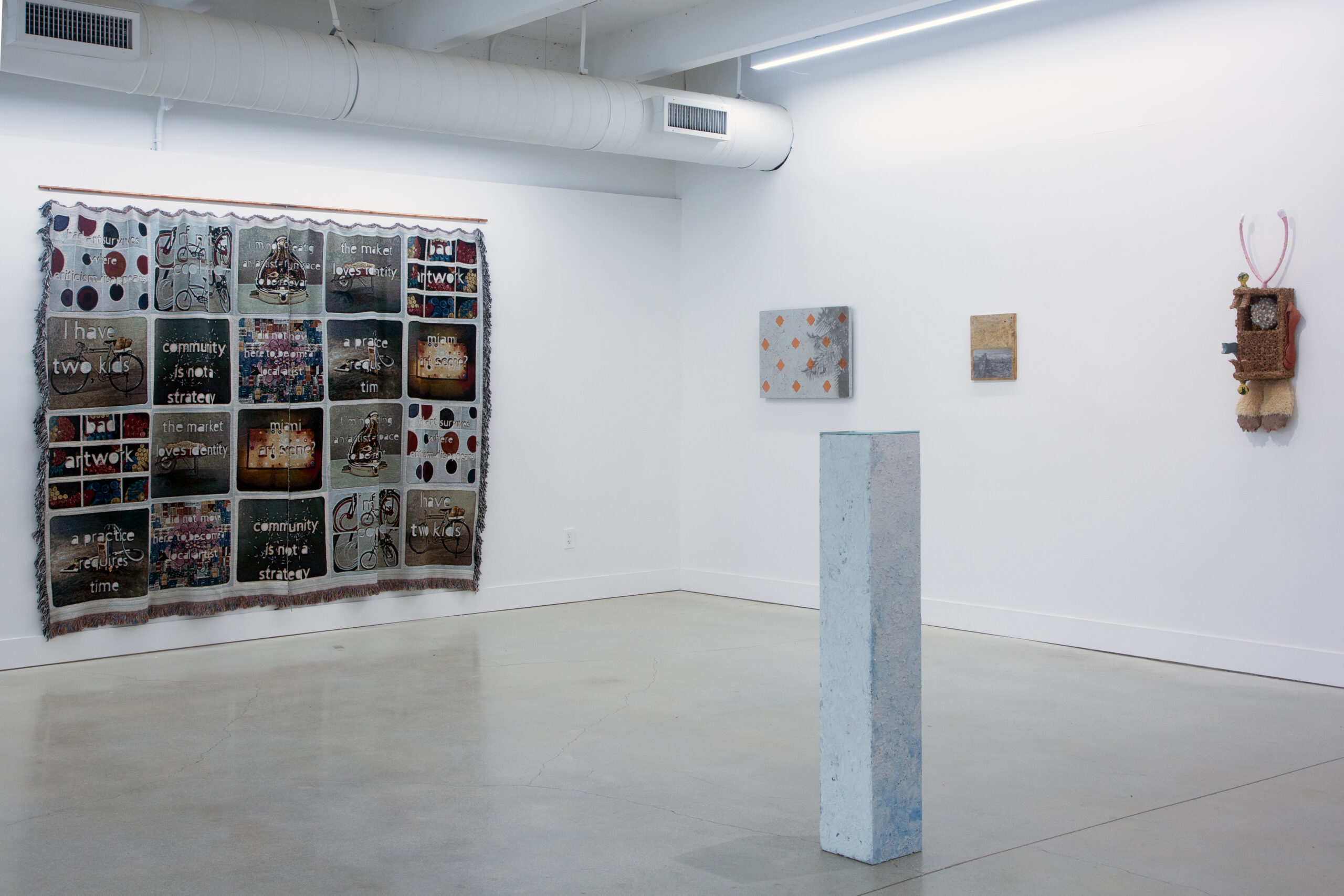
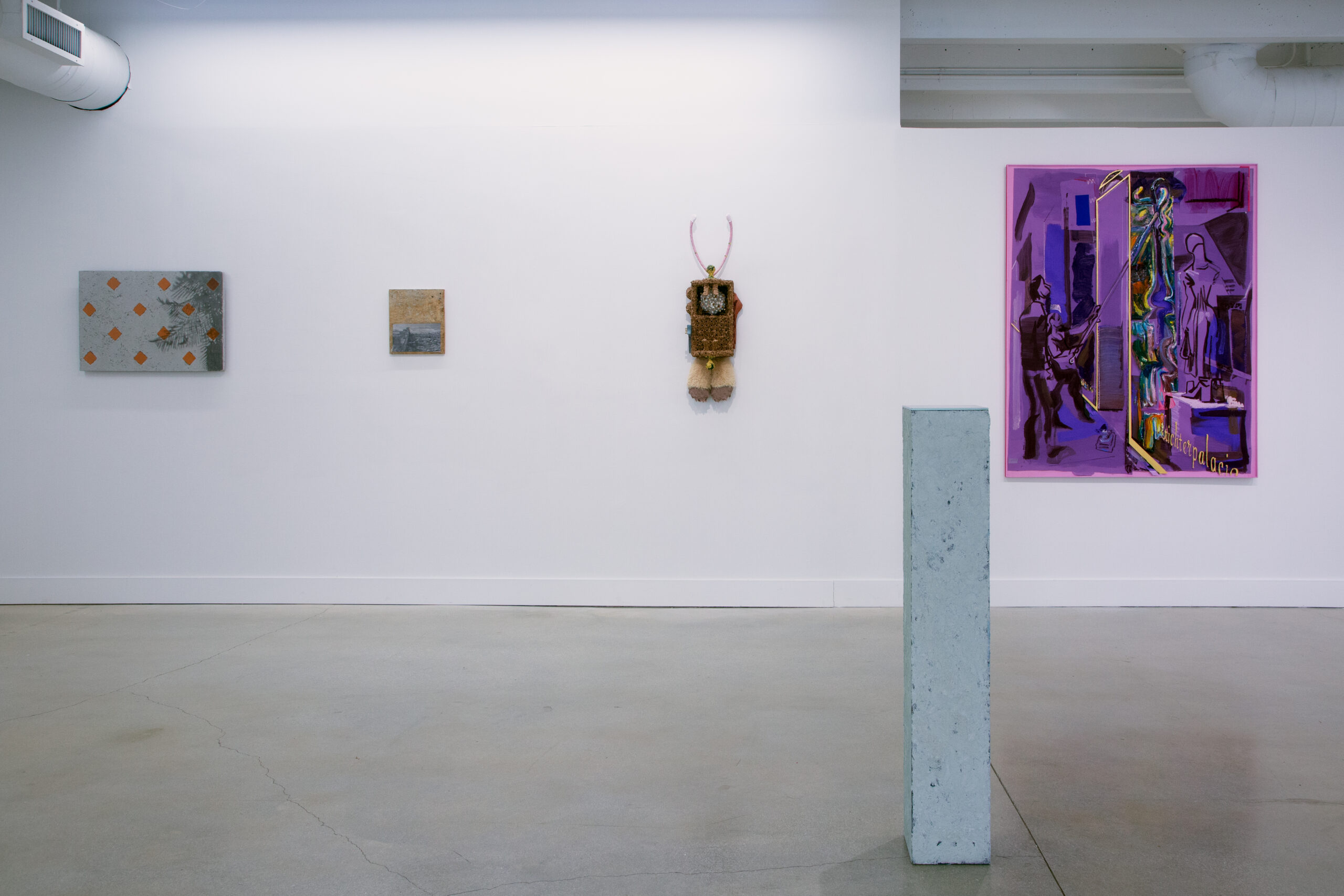
Linares also finds her roots in her mediums; lately, it is concrete and wood. As she says, “the act of drawing on these materials”(*2) brings her into connection with Cuba, her homeland, its literal earth; it is a kind of reconnection. “Tarde Tropical/Tropical Afternoon”, an elegant hunk of concrete dotted with peachy diamond-shaped clay tiles, is flanked by a graphite image of a Caribbean palm tree’s shadow. It’s realistic enough for a doubletake. The tools beget the research: the textiles of Brown’s practice led to his explorations of masculinity and queerness in the Caribbean diaspora. Using fabrics to create immersive spaces for belonging—he once made a barbershop of textiles, familial and inclusive of all expressions of Black masculinity—the threads tell stories of lineage and community, as in the tapestry “Combed Threw Collage”, whose title references the closeness engendered by hair care.
Garza’s method of collecting objects and later modifying them demands an intuitive process; they alchemize into something conceptually new. The theroid figure of “Otro augurio remojado (Escolta vegetal)”/“Another soaked omen (Vegetable escort)” was once fur and glass and found ephemera. Now, it might be an animal, a reliquary, or a talisman, delicate and otherworldly.
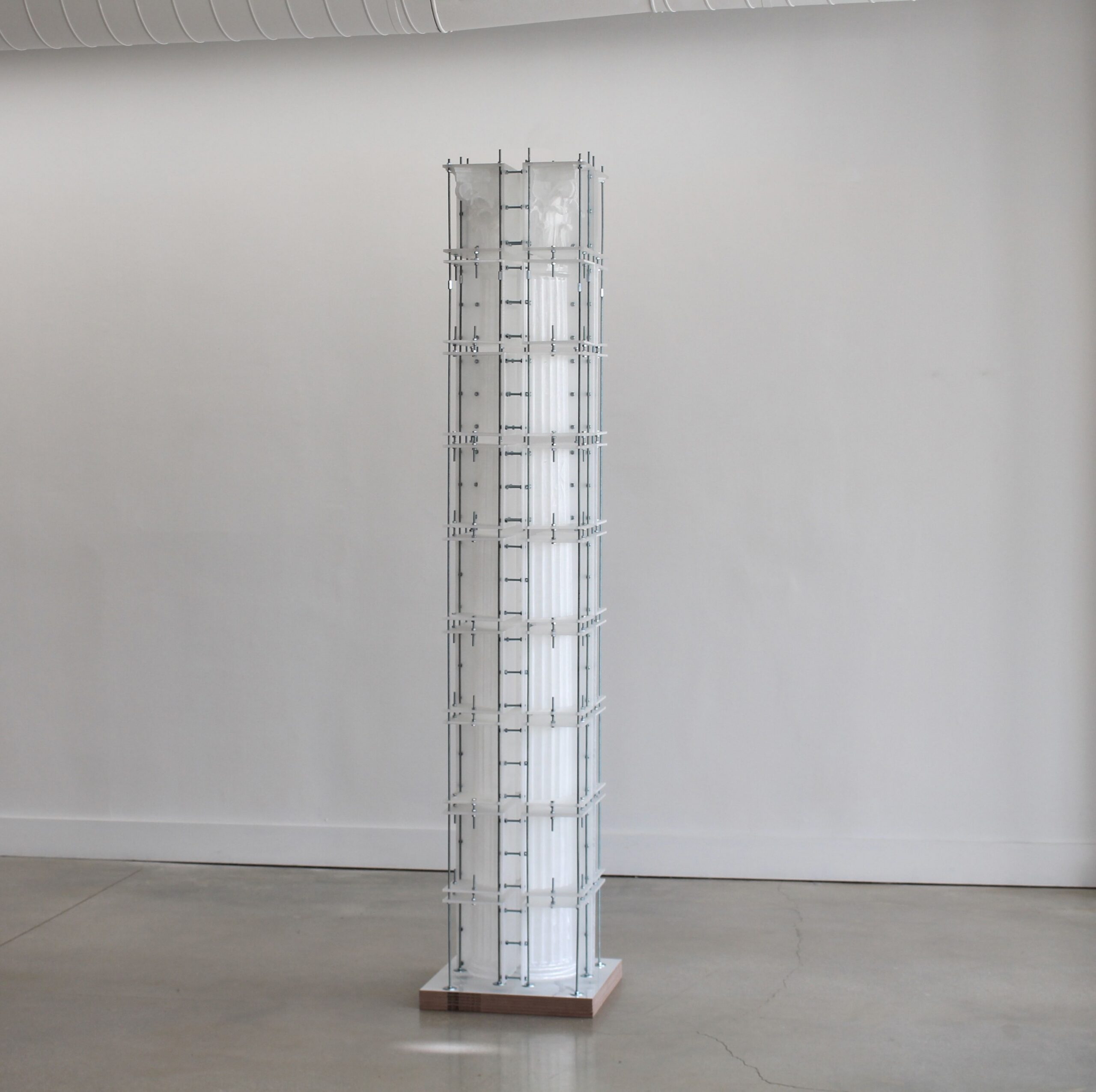
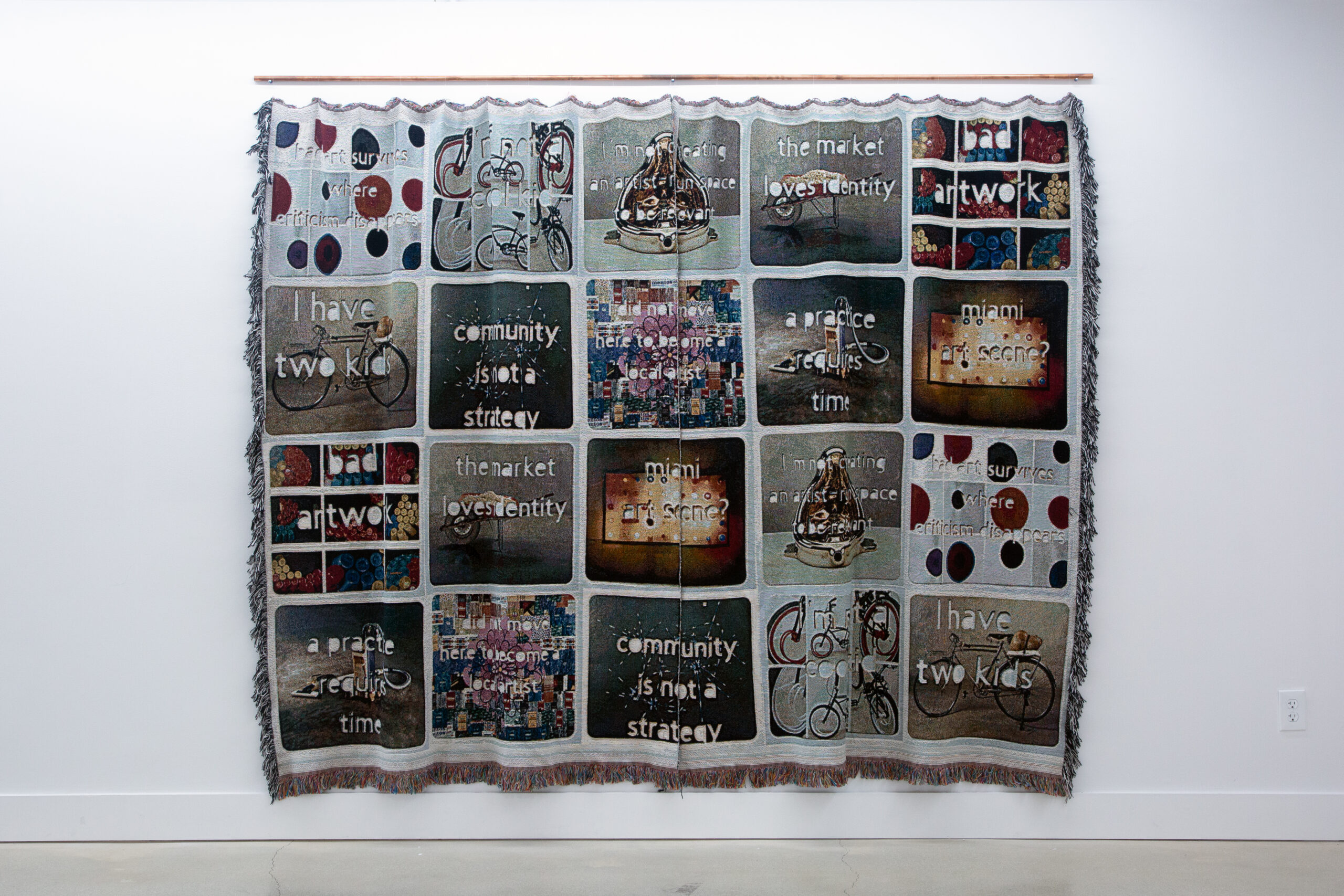
Weaver’s newest sculpture draws your eyes upward, an eight-foot-tower of plastic and steel; there’s a dark, ominous humor to much of Weaver’s work and to his brazen use of items like oil, flagpoles, ATVs, and faux-spiked flails. Hernandez works within many disciplines—textiles, photography, sculpture, film—to examine memory, labor, and history; Untitled (Miami) is a playful panel of images, including readymades recalling Duchamp’s infamous toilet, overlaid with statements like “the market loves identity,” “I did not move here to become an artist,” “community is not a strategy,” and “I’m not a cool kid.” (Material world, indeed.)
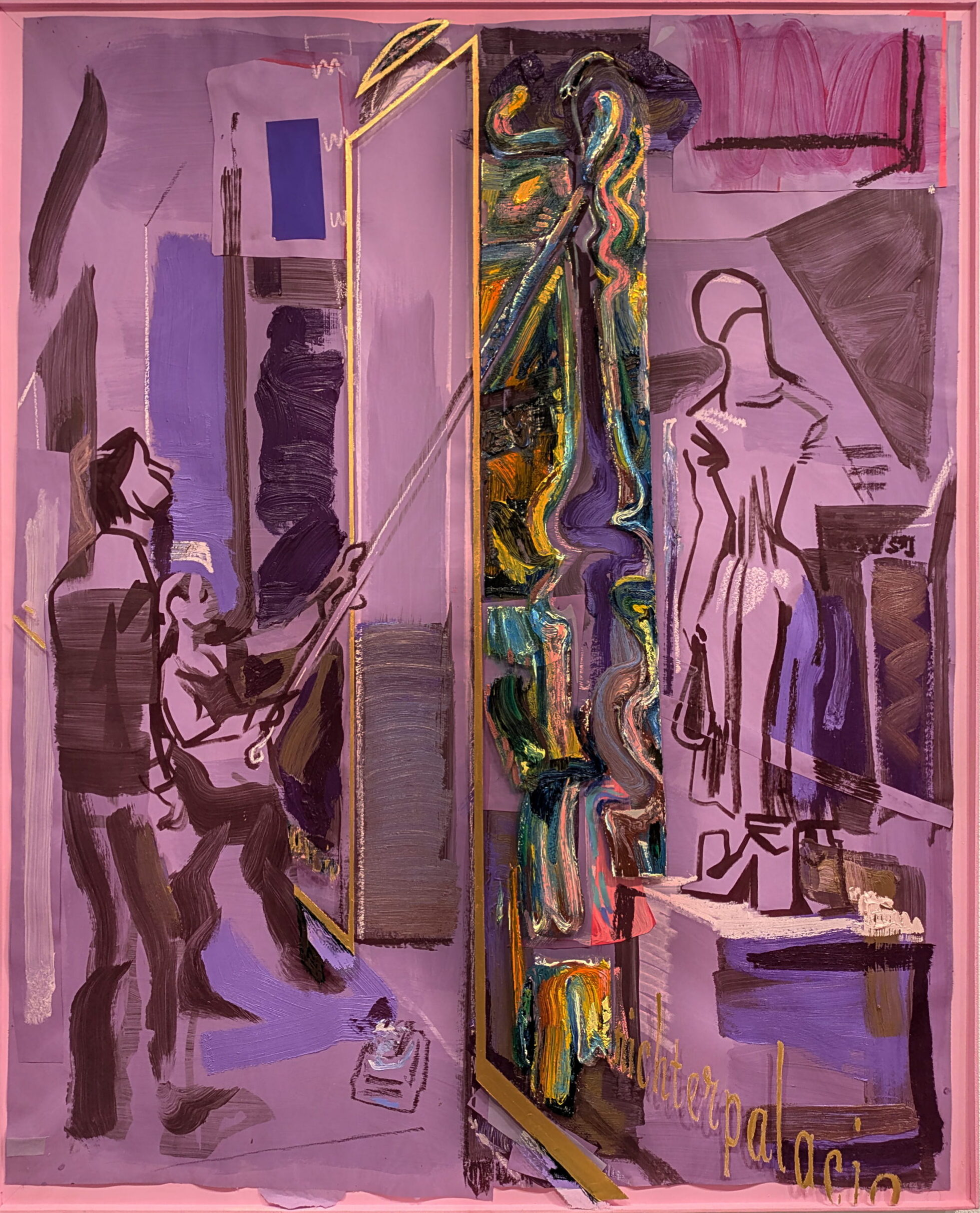
In Sluggett’s “Passersby (Squeegee)”, an oil, gouache, and pastel work, the effect is that of a painting-within-a-painting, the titular squeegee producing colors and textures not depicted elsewhere on the paper. The paint lends something majestic to the figure’s task, the quotidian transmuted into something glorious (and surely such labor is). Look closer at Dolan’s “Catching sight of an island from a boat could be more pleasurable than ever setting foot on it”, a diptych painting of a man’s gaze cast downward, then up. There’s turmeric, lye, crushed bone. If a material is hard to obtain, Dolan will find it: mummy brown (a pigment made of mummies), rust, argon gas, jade. Deeply curious about our world, his paintings are at once exercises in photorealism, science experiments, and reflections on the global supply chain.
The painter Elaine de Kooning once said, “a painting to me is primarily a verb, not a noun, an event first and only secondarily an image.”(*3) It is the event, and its attendant discoveries and revelations, that guides this group of artists, the process alone divulging new information or affirming what they’d always known. The results, shared in Material, Material World (Miami), are sublime.
(*1) Artist Conversation with Kelly Tapia-Chuning, https://www.youtube.com/watch?v=73RfU5rJ2Pk (*2) Amanda Linares, https://www.youtube.com/watch?v=63LvaBw4D9I
(*2) Amanda Linares, https://www.youtube.com/watch?v=63LvaBw4D9I
(*3) AWARE: Archives of Women Artists, Research & Exhibitions: Elaine de Kooning, https://awarewomenartists.com/en/artiste/elaine-de-kooning/
Jevon Alexander Brown
Connor Dolan
Juan Pablo Garza
Gonzalo Hernandez
Loni Johnson
Amanda Linares
Victoria Ravelo
Ryan Sluggett
Kelly Tapia-Chuning
Hayden Weaver